



Generac Generator Installation in St. Louis, MO
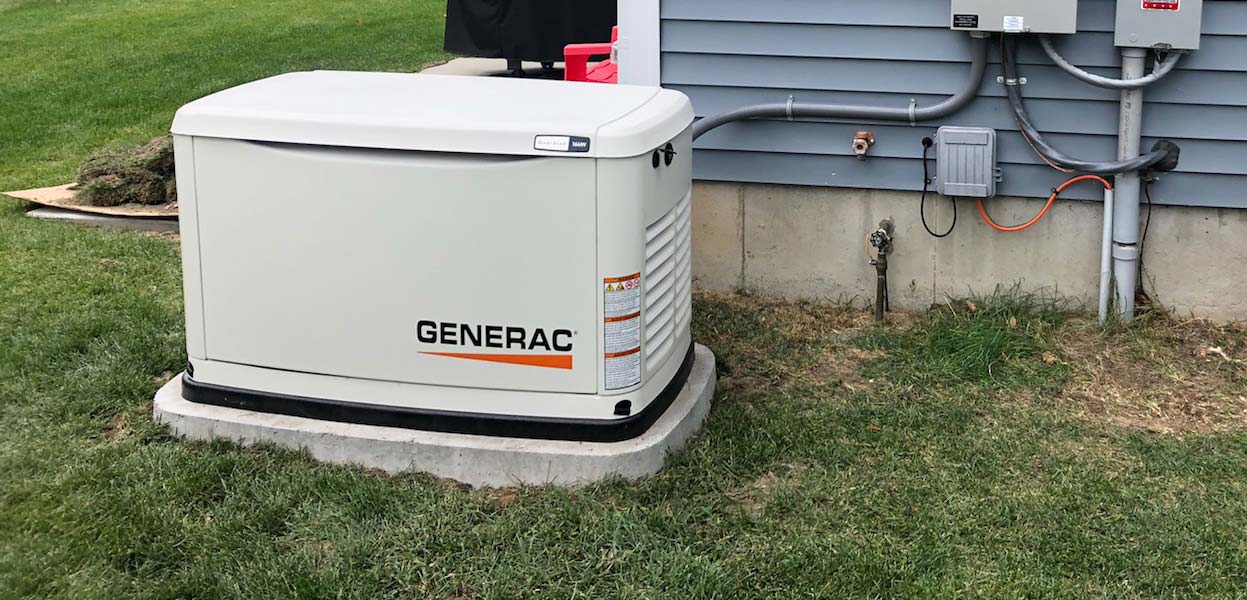
A standby generator is not just another appliance. It has to be sized correctly, connected safely, permitted properly, and installed where it can run without creating a new problem for the home. Bates Electric installs Generac generators for St. Louis homeowners who want backup power that works when the utility power does not.
What are you trying to keep running during an outage?
Generator installation should start with the real problem: what has to stay on when St. Louis weather knocks power out. Some homes only need essential circuits. Others need whole home generator coverage because medical equipment, sump pumps, refrigerators, home offices, security systems, or finished basements cannot sit dead for hours.
Whole-home backup
A permanently installed standby generator can support more of the house than a portable unit, but it needs load planning and a safe transfer setup.
Essential circuits
Sump pump, refrigerator, furnace controls, internet, lights, garage access, and medical needs may be enough for some homes.
Storm-season reliability
Heavy rain, wind, ice, and utility failures can turn a short outage into a flooded basement or spoiled food problem fast.
Transfer switch safety
A generator must be connected so it cannot backfeed the utility system or put lineworkers, neighbors, or your equipment at risk.
Right-size planning
Bigger is not automatically better. The correct generator depends on load, fuel, electrical panel capacity, and what you expect it to run.
Clean installation
Pad location, clearances, wiring, disconnects, fuel coordination, and final testing all matter more than the sales brochure.
A generator quote should not start with a guess
A good generator installation begins with the electrical load, the home layout, the panel, the transfer switch strategy, and the homeowner’s actual outage priorities. If the plan ignores those details, the install can become expensive, undersized, oversized, noisy, or hard to service.
Bates Electric looks at the electrical system first. We help St. Louis homeowners understand what a Generac generator can support, what may need to be adjusted, and where backup power makes the most sense for the property.
Tell us what cannot go down.
If the outage risk is a sump pump, medical device, home office, refrigerator, security system, or finished basement, say that early. The generator plan should protect the real priority.
How Bates handles Generac generator installation
Review the home
We look at the panel, service, preferred circuits, equipment location, access, and the loads you want the standby generator to handle.
Build the plan
We explain sizing, transfer switch needs, electrical work, fuel coordination, clearances, and any code or permit considerations.
Install and test
We complete the electrical installation, connect the generator controls, verify safe operation, and walk through what to expect.
Backup power matters more in some homes than others
In the St. Louis area, generator calls often come from homeowners who have already been burned by outages: a sump pump quit during a storm, food spoiled during summer heat, a work-from-home setup went dark, or a family member needed dependable power for health equipment.
Older homes can add another layer. Some panels need evaluation before generator installation. Some properties have tight side yards, finished basements, older wiring, or equipment locations that make placement and circuit selection more important. Bates Electric does not treat those details like footnotes.
Sump pump protection
A basement can take on water quickly if power fails during heavy rain. Backup planning often starts here.
Medical and daily needs
Home medical devices, refrigeration, internet, heating controls, and mobility equipment may make backup power more than a convenience.
Older electrical systems
Panel condition, circuit labeling, available capacity, and prior electrical work should be reviewed before adding generator equipment.
Standby generator work Bates can help with
Some homeowners are ready for a new Generac generator installation. Others need help deciding whether a standby generator, transfer switch, panel update, or smaller backup plan is the right move. Bates Electric can help sort that out without turning the conversation into a scare pitch.
Do not improvise generator power
Portable cords, backfeeding, overloaded panels, and improvised generator hookups can create fire, shock, equipment damage, and utility-worker safety risks. A standby generator needs a safe electrical design, not a shortcut.
- Never backfeed a home through a dryer outlet or homemade cord
- Do not assume the existing panel is ready for a standby generator
- Keep generator placement clear of windows, doors, vents, and service access issues
- Plan loads before expecting one unit to run everything
- Use a properly installed transfer switch or approved transfer equipment
Questions St. Louis homeowners ask before installing a generator
How do I know what size Generac generator I need?
The right size depends on what you want to run during an outage, the electrical load of those circuits, the home service, fuel availability, and whether you want essential-circuit or whole-home backup. Bates Electric can review the home before recommending a direction.
Can a standby generator power my whole house?
Sometimes, yes, but it depends on the home and the generator size. Large appliances, HVAC, electric heat, and other heavy loads affect what can run at the same time.
Do I need a transfer switch for generator installation?
Yes. Standby generator installation requires approved transfer equipment so generator power is isolated from utility power and distributed safely to the selected circuits or panel.
Can Bates Electric inspect my panel before generator work?
Yes. Panel condition, circuit labeling, available capacity, and existing wiring should be reviewed before installing generator equipment, especially in older St. Louis homes.
Helpful next steps
Ready to plan generator installation in St. Louis?
Call Bates Electric for Generac generator installation, transfer switch planning, panel review, and safer backup power for your home.