



The Risks of Living Without Backup Power
- Your refrigerator and freezer start thawing within hours, putting hundreds of dollars of food at risk
- Sump pumps stop running. Basements flood. Insurance fights begin.
- Home security systems, cameras, and smart locks go offline the moment the grid fails
- Medical equipment like CPAP machines and oxygen concentrators lose power with no warning
- Remote workers lose connectivity mid-deadline, costing real money and real credibility
- Pipes freeze in winter outages and burst before you can react, turning a power problem into a plumbing disaster
Automatic Whole Home Protection
- Automatic startup in under 10 seconds. Your Generac monitors the grid 24/7 and fires up the moment it detects a disruption
- Your whole house stays running. Lights, HVAC, appliances, Wi-Fi, garage doors. Everything.
- Natural gas or propane fuel means no refueling runs. A standby unit connects directly to your existing fuel line.
- Licensed electricians handle every wire. We are a master electrical contractor, not a handyman service.
- Turnkey from permit to power-on. We pull permits, pour the pad, run the fuel line, wire the ATS, and test the full system.
- 24/7 monitoring keeps you covered. Generac Mobile Link lets you check generator status from your phone.

What Size Generator Do You Need?
Answer three questions. Get an instant estimate. No email required.
Generac Sizing Estimator
Results update automatically as you fill in the form below.
How many compressors do you have?
1
This is a rough estimate only. Actual system size depends on your panel, load-shedding options, and a site assessment. Call 866-819-6311 for a free in-home quote.
Whole Home Generator Services
From initial load analysis to final outage simulation, these are the Generac generator installation services we deliver as a single contractor.
Generator Sizing & Load Analysis
Every installation starts with a detailed load calculation. We review your electrical panel, count your high-draw appliances, check your AC tonnage, and calculate the total watts your home pulls under peak demand. This determines whether you need an 18kW, 22kW, 24kW, or larger Generac unit. Oversizing wastes money. Undersizing means your generator cannot handle large startup loads. We get it right the first time.
Standby Generator Installation
We mount your Generac on a level concrete pad positioned to meet local setback and clearance codes. The unit connects to your home's electrical system through a dedicated circuit and automatic transfer switch. All wiring is run to code by licensed electricians. We handle the structural, electrical, and fuel connections in a single visit whenever possible to minimize disruption.
Automatic Transfer Switch Wiring
The automatic transfer switch is the brain of your home backup system. It monitors utility power continuously. When the grid drops, the ATS signals your Generac to start and transfers your home's load to generator power within seconds. When utility power returns, it transfers back and shuts the generator down. We install the ATS at your main panel and wire it to cover every circuit you need protected.
Fuel System Coordination
Your whole home generator runs on natural gas or propane. If you have an existing natural gas line with adequate capacity, we tap into it. If not, we coordinate with your gas utility or propane supplier to size and run the fuel line to your generator pad. We handle the BTU calculations, pipe sizing, and regulator specs so the generator gets the fuel volume it needs under full load.
Generator Maintenance & Service
Generac recommends annual maintenance to keep your warranty valid and your unit ready. We perform oil and filter changes, spark plug replacement, battery checks, coolant inspection (on liquid-cooled models), and transfer switch testing. If something fails between services, our electricians diagnose and repair it. We stock common Generac parts so most repairs happen in a single trip.
Home Backup Monitoring
Every Generac home standby generator ships with Mobile Link, a Wi-Fi-connected monitoring system that reports generator status to your phone. We configure it during installation so you can check run hours, maintenance alerts, and utility status from anywhere. If your generator runs during an outage while you are traveling, you will know about it before your neighbors even realize the power is out.
“We had three power outages last winter. Our neighbors were hauling space heaters and running extension cords from their cars. Our Generac kicked in every time and we barely noticed the lights flicker. The Bates crew handled everything from the permit to the final test. Showed up when they said they would, finished on schedule, and cleaned up after themselves. Best money we ever spent on this house.”
Verified Google Review, Nashville
Why Bates for Your Generac Standby Generator
We sell, install, and service Generac home standby generators directly. That means factory-trained technicians, genuine parts, and full warranty backing on every unit. When you buy through Bates, your Generac standby generator is backed by the manufacturer and serviced locally by our technicians, not a third-party middleman.
Other companies install the generator and leave you to figure out the concrete pad, the gas line, and the permit stack. We handle it all. Pad prep, natural gas or propane fuel line coordination, automatic transfer switch wiring, permit pulls, utility notifications, and a full outage simulation before we hand you the keys. One contractor, one invoice, one point of accountability.
- Authorized Generac dealer with factory-trained, licensed electricians
- Fully turnkey: pad, fuel line, ATS wiring, permits, utility coordination, outage simulation
- Whole-home standby only. Every system sized to carry your full electrical load.
- Local teams in 18 markets who know the permit offices and code standards
- Post-install service and annual maintenance from the same company that installed it
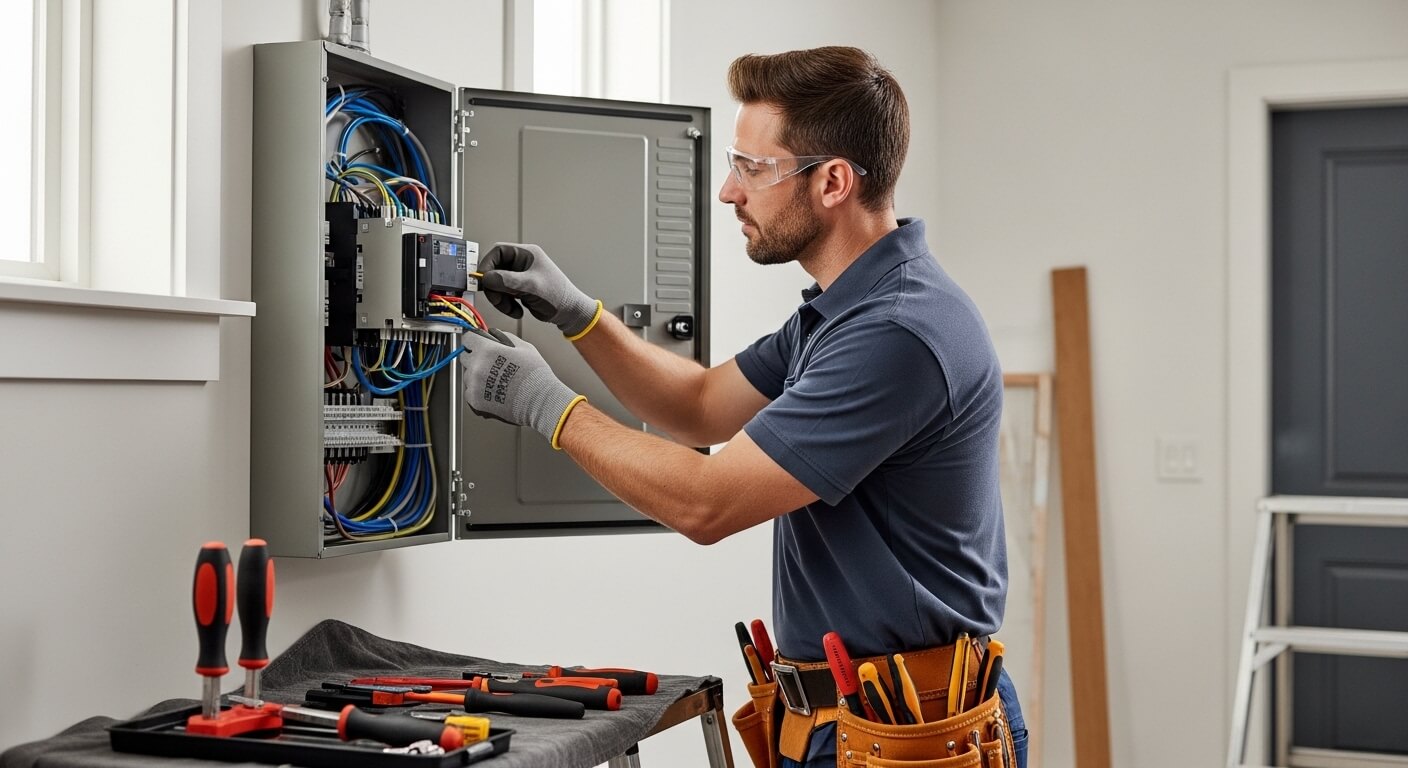
Whole Home Generators at a Glance

What Homeowners Should Know About Standby Power
A whole home generator is a significant investment, and it pays to understand the basics before you sign anything. Here is what homeowners should know about sizing, fuel options, permits, and maintenance before the install crew shows up.
Natural Gas vs. Propane for Home Generators
Most whole home generators run on natural gas or propane (LP). If your home already has a natural gas connection, that is almost always the better choice. The fuel supply is continuous, so you never run out during an extended outage. Natural gas also burns cleaner and requires less maintenance on the engine. If natural gas is not available in your area, propane is the standard alternative. A 500-gallon propane tank can run a 22kW Generac for roughly 4 to 5 days under moderate load. We help you evaluate supply reliability, cost per BTU, and tank sizing during the assessment.
How to Size a Whole Home Generator
Generator sizing comes down to two numbers: your running load and your starting load. Running load is the total watts your home draws under normal operation. Starting load accounts for the surge when large motors like your AC compressor kick on, which can pull 3 to 5 times their running amperage for a few seconds. A 2,000 sq ft home with one AC unit, an electric water heater, and typical kitchen appliances usually falls in the 18kW to 22kW range. Larger homes with multiple HVAC zones, electric ranges, pool pumps, or EV chargers may need 24kW or higher. Undersizing a generator is the most common mistake homeowners make when they try to spec the job themselves.
Permits and Code Requirements
Whole home generator installations require electrical permits in virtually every jurisdiction we serve. Many also require a gas permit for the fuel line and a building permit for the concrete pad. Setback requirements vary by city and county but typically mandate 5 feet from the structure and 18 inches from any window or opening. We pull all permits before work begins and schedule inspections as part of the project timeline. Our electricians know the local codes in all 18 markets and build to them from the start so there are no surprises at inspection.
Generator Maintenance and Warranties
Generac home standby generators include a standard 5-year limited warranty covering parts and labor. Extended warranty options are available at purchase. To keep the warranty valid, Generac requires annual maintenance performed by an authorized dealer. Routine service includes oil and filter changes, spark plug inspection, air filter replacement, battery testing, and a transfer switch exercise. Skipping annual service does not just void the warranty. It is how generators fail on the one night you actually need them.
Generator Pricing & Warranty Coverage
The true cost of a whole home generator depends on unit size, fuel line requirements, pad work, and local permit costs. Here is how the numbers typically break down for a Generac standby generator project.
Installation Costs
A fully installed Generac whole home generator typically ranges from $8,000 to $15,000 or more, depending on unit size, fuel line requirements, pad work, and local permit costs. Larger homes with multiple AC units or high-draw appliances like electric ranges and pool pumps will land toward the higher end. We provide a fixed-price quote after the in-home assessment so there are no surprises.
Warranty Coverage
Every Generac home standby generator includes a standard 5-year limited warranty covering parts and labor. Extended 7-year and 10-year warranty options are available at the time of purchase. Bates Electric is an authorized Generac dealer, which means your warranty is backed by the manufacturer and serviced locally by our technicians. Annual maintenance keeps your coverage valid and your unit ready.
Financing Options
We offer flexible financing to qualified homeowners so you can protect your home without paying the full amount upfront. Ask about monthly payment options during your free in-home assessment. A generator is a fixed improvement to your property that can increase resale value, and financing lets you start benefiting from whole-home backup power immediately while spreading the cost over time.
Is This You?
“Last storm knocked out power for 3 days.”
Three days without power means spoiled food, no HVAC, and cold showers. A Generac whole home generator starts automatically within seconds of an outage and runs on natural gas or propane until the grid comes back. You would not have even known the power was out.
“I work from home and can't afford downtime.”
One dropped Zoom call during a client presentation costs more than awkwardness. A home standby generator keeps your lights, your Wi-Fi, your monitors, and your whole home running so your workday does not depend on the utility company's repair timeline.
“My spouse uses medical equipment that needs constant power.”
CPAP machines, oxygen concentrators, and home infusion pumps cannot run on battery backup for more than a few hours. A permanently installed generator eliminates that risk entirely. The automatic transfer switch picks up the load before the battery backup even has time to drain.
“We just finished a $60K kitchen remodel and I'm not losing that fridge full of food.”
A Sub-Zero packed with groceries and a wine fridge full of good bottles are not things you want to gamble on a 48-hour power restoration estimate. A whole-house generator keeps every appliance in your home running at full capacity, no matter what happens on the grid.
“I have a sump pump and a finished basement.”
Finished basements and power outages during heavy rain are a terrible combination. Your sump pump runs on electricity. When the power goes out, groundwater rises and your basement starts taking on water. A standby generator keeps the pump running continuously so you are not ripping out drywall after every storm.
“I'm tired of dragging out the portable generator every time.”
Portable generators are loud, run on gas cans you have to refill, only power a few circuits through extension cords, and produce carbon monoxide that kills people every year. A permanently installed Generac standby unit sits outside, starts itself, powers your entire home, and runs on a direct fuel connection. There is nothing to drag, fill, or plug in.
Our 4-Phase Installation Process
Every Generac whole home generator installation follows the same four phases from first call to flipping the switch.
- Physical installation typically completed in 1 to 2 days
- Full project timeline from assessment to power-on: 2 to 6 weeks
- All work permitted, inspected, and tested under simulated outage conditions
In-Home Assessment
A licensed electrician visits your home to perform a full load calculation. We review your panel, measure your amp capacity, identify high-draw appliances, and discuss your fuel source options (natural gas vs. propane). We also walk the property to select the best pad location based on setback requirements, noise considerations, and fuel line routing.
Permitting & Logistics
We pull all required permits with your local building authority and coordinate with your gas utility or propane provider. You do not chase paperwork. We manage the timeline so your installation date is locked in before materials arrive on site.
Site Prep & Equipment Set
Our crew pours or places the concrete generator pad, runs the fuel line from your meter or tank to the unit, and positions the Generac on the pad. All site work is done to local code and manufacturer specifications.
Electrical Tie-In & Testing
We install the automatic transfer switch at your main panel, wire the generator to your home's electrical system, and run a full outage simulation. We kill utility power to confirm the standby generator starts, picks up the load, and transfers back cleanly when grid power returns. You see it work before we leave.
Certified Installations Across America
We provide certified Generac installations across 18 major US metros. Click your market to see local service details.
Don't see your city? Call us at 866-819-6311 to find your local Bates team.
18 Markets. One Master Electrical Contractor.
Bates Electric provides licensed Generac generator installation, service, and maintenance across 18 metro areas. Every market is staffed with local electricians who know the permitting requirements, utility coordination processes, and code standards specific to your area.
- Every market staffed with local, licensed electricians
- Local permitting and utility coordination expertise in each city
- Authorized Generac sales, installation, and service in all locations
Everything Homeowners Need to Know About Whole Home Generators
Use this guide to understand what a standby generator costs, how sizing works, what maintenance looks like, and how a permanently installed generator affects your property value. The more you know before getting quotes, the better decisions you will make.
How a Whole Home Generator Protects Your Property Value
A permanently installed standby generator is a fixed improvement to the property, similar to a new HVAC system or electrical panel upgrade. Real estate agents in storm-prone and outage-heavy markets report that homes with whole home generators sell faster and often command a premium. The combination of a Generac unit, a concrete pad, a dedicated fuel connection, and a professionally wired automatic transfer switch is a tangible, inspectable upgrade that buyers recognize. In markets like Nashville, St. Louis, and Southwest Florida where outages are frequent, a generator is increasingly expected rather than optional.
Annual Maintenance: What It Includes and Why It Matters
Generac requires annual maintenance performed by an authorized dealer to keep your warranty valid. A typical service visit includes oil and filter changes, spark plug inspection, air filter replacement, battery testing, coolant check on liquid-cooled models, and a transfer switch exercise under load. Most visits take about an hour. We also check fuel system connections, exhaust condition, and run the unit under load to verify performance. Skipping annual service does not just void the warranty. It is how generators fail on the one night you actually need them. We offer maintenance plans that keep your unit on a schedule so you do not have to remember to call.
Understanding Generator Sizing: Running Load vs. Starting Load
The most common mistake homeowners make is undersizing their generator. Running load is the total watts your home draws under normal operation. Starting load accounts for the surge when large motors like your AC compressor kick on, which can pull 3 to 5 times their running amperage for a few seconds. A generator that can handle your running load but not your starting load will trip or bog down every time the AC cycles on. That is why the in-home load analysis matters more than any online calculator. We measure actual amp draw at your panel and factor in every circuit to get the sizing right.
Standby Generators vs. Portable Generators
Portable generators cost less upfront but power only a few circuits through extension cords, run on gasoline that you have to refill manually, produce dangerous carbon monoxide levels that require outdoor placement away from windows, and offer no automatic startup. A permanently installed Generac standby generator connects directly to your electrical panel through an automatic transfer switch, starts itself within seconds of an outage, runs on natural gas or propane with no refueling, and powers your entire home. The cost difference is significant, but so is the difference in protection. We install whole-home standby systems exclusively because that is the only setup that truly keeps your home running.
Real Generac Installations by Bates Electricians


Ready to Never Lose Power Again?
Schedule a free in-home assessment with a licensed Bates electrician. We will calculate your load, recommend the right Generac standby generator for your home, and give you a fixed-price quote that covers everything from the concrete pad to the final outage simulation test. No pressure, no obligation.
Frequently Asked Questions
A fully installed Generac whole home generator typically costs between $8,000 and $15,000 or more. The final price depends on the unit size (measured in kilowatts), fuel line work, concrete pad requirements, permit fees, and the complexity of your electrical panel. We provide a fixed-price quote after the in-home assessment so there are no surprises.
The physical installation usually takes 1 to 2 days. The full project timeline from assessment to power-on is typically 2 to 6 weeks, depending on permit processing times in your area and equipment availability. We handle all scheduling and keep you updated throughout.
If your home has a natural gas connection, that is usually the better option because the fuel supply is continuous and you never need to schedule tank refills. If natural gas is not available, propane works just as well. A properly sized propane tank can keep your generator running for several days under normal load. We evaluate your fuel options during the assessment and recommend the best fit.
Yes. When properly sized, a Generac standby generator will run your central AC along with every other circuit in your home. That is the entire point of a whole-house generator versus a portable unit. During the load analysis, we factor in your AC compressor's starting watts to make sure the generator handles large loads without tripping or bogging down.
The automatic transfer switch (ATS) sits between your main electrical panel and the utility meter. It monitors incoming grid power continuously. When it detects a voltage drop or outage, it sends a start signal to your Generac generator. Once the generator reaches stable output, the ATS transfers your home's electrical load from the grid to the generator. When utility power is restored, the ATS transfers the load back and signals the generator to shut down. The entire process takes about 10 seconds and requires no action from you.
Yes. A permanently installed standby generator is a fixed improvement to the property, similar to a new HVAC system or electrical panel upgrade. Real estate agents in storm-prone and outage-heavy markets report that homes with whole home generators sell faster and often command a premium. The exact value depends on your market, but the combination of a Generac unit, a concrete pad, a dedicated fuel connection, and a professionally wired ATS is a tangible, inspectable upgrade that buyers recognize.