



Aluminum Wiring Replacement St Louis Homeowners Should Not Guess About
If your house was built or remodeled between the mid-1960s and mid-1970s, aluminum branch wiring deserves a serious look. Bates Electric helps St. Louis homeowners identify aluminum wiring, repair unsafe connections, and plan a safer copper upgrade when replacement is the right move.
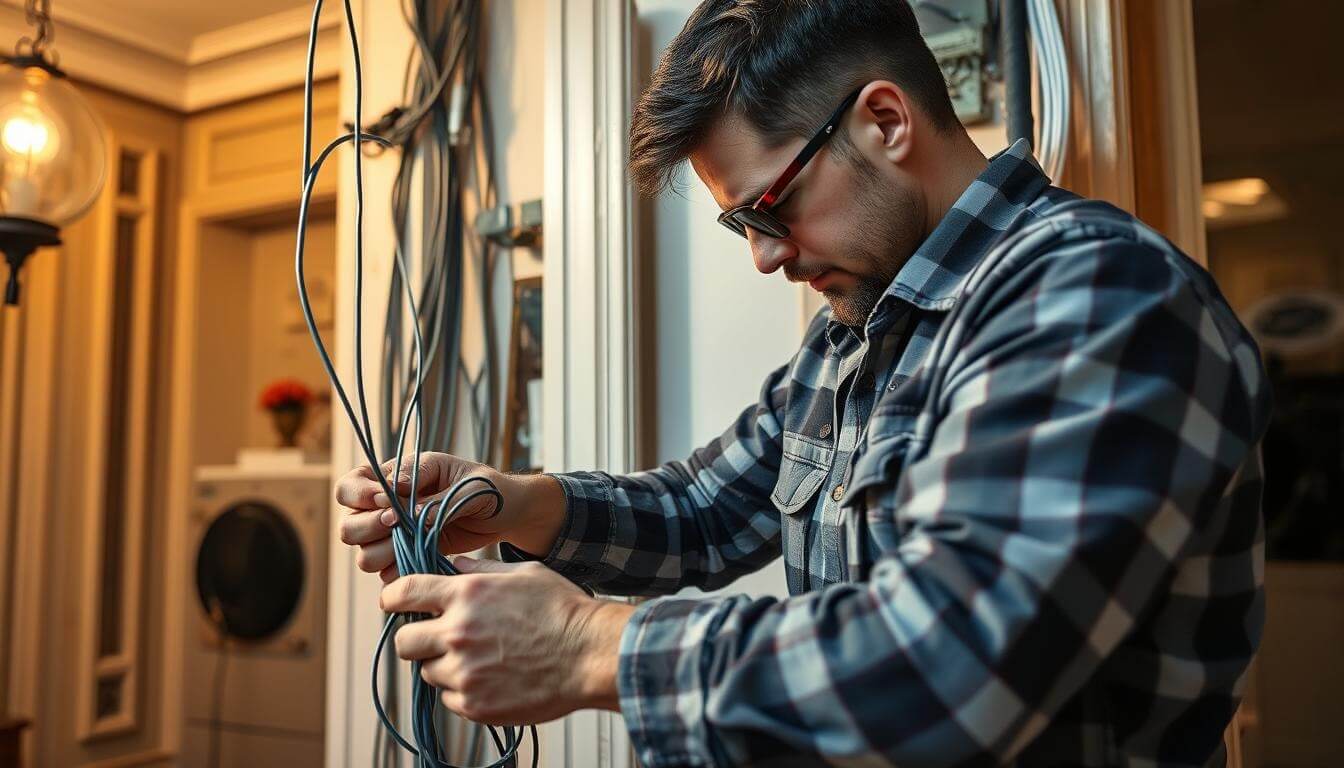
Aluminum wiring can fail at the connection points
Aluminum wiring is not automatically a house fire waiting to happen, but it behaves differently than copper. It expands and contracts more, oxidizes at connections, and can loosen where devices, splices, breakers, or old repairs were not made for aluminum conductors.
That is why the danger usually shows up at outlets, switches, junction boxes, and panel terminations — not as a neat warning label on the wall. A house can seem normal until a connection starts heating under load.
Loose terminations
Expansion and contraction can loosen older connections, especially where devices were not rated for aluminum conductors.
Heat at outlets or switches
Warm plates, discoloration, crackling, or a burning smell can point to a connection that needs immediate electrical repair.
Mixed-era remodel work
Many St. Louis homes have additions, finished basements, and past DIY work where copper and aluminum may have been joined incorrectly.
Signs your St. Louis home may need aluminum wiring repair or replacement
The most important clue is age. Homes built from about 1965 through the mid-1970s are the ones most associated with aluminum branch circuit wiring. Some homes also received aluminum during additions or remodels, so the whole house may not match one era.
- Flickering lights that do not match storm or utility issues
- Warm outlet covers, buzzing switches, or crackling sounds
- Burning smell near receptacles, switches, or the panel
- Discolored outlets, melted device faces, or scorched plates
- Breakers that trip repeatedly on normal household loads
- Visible cable markings that say AL, Aluminum, or AA-8000
Do not “just tighten it” and move on.
Aluminum wiring needs the right connector, antioxidant compound where appropriate, device rating, torque, and testing. Guesswork is how old wiring problems get worse.
Not every aluminum-wired house needs the same fix
Some homes need a full aluminum wiring replacement. Others may be candidates for approved aluminum-to-copper pigtailing or targeted remediation where the wiring is otherwise accessible and the devices are the main concern. The right answer depends on what is in the walls, how the wiring was terminated, how much has been altered, and what the homeowner is trying to accomplish.
Aluminum wiring remediation options
If branch wiring is stable and the main issue is outdated devices or improper connections, a licensed electrician may recommend correcting terminations with compatible connectors and copper pigtails.
When whole-home rewiring becomes smarter
If there are overheated devices, repeated failures, brittle conductors, heavy remodeling plans, unsafe splices, or broad access during renovation, replacing aluminum wiring with copper may be the cleaner long-term move.
The U.S. Consumer Product Safety Commission has published safety guidance on aluminum wiring repair methods. Bates Electric uses that kind of safety-first thinking in the field, not quick cosmetic fixes.
How Bates Electric handles aluminum wiring in St. Louis homes
Aluminum wiring work starts with verification, not panic. We want to know whether the home has aluminum branch circuits, where those circuits run, how the devices were terminated, and whether previous repairs helped or made the system worse.
Identify the wiring
We inspect accessible cable markings, panels, devices, junction boxes, and visible problem areas to confirm whether aluminum branch wiring is present.
Separate risk from rumor
We look for heat damage, improper splices, incompatible devices, overloaded circuits, moisture issues, and remodel work that changed the original system.
Build the repair plan
You get practical options: repair unsafe connections, pigtail where appropriate, replace circuits, or plan a larger copper rewiring project.
Bad aluminum wiring fixes create false confidence
The scary part is not always the original aluminum wire. It is often what happened afterward: standard outlets installed on aluminum conductors, twist-on connectors used where they do not belong, copper and aluminum joined without the right connector, or an old device tightened until it “feels fine.”
Do not swap devices blindly
A regular copper-only receptacle is not a safe fix for aluminum wiring. Devices and connectors need to be rated for the conductors they touch.
Do not ignore one hot outlet
One warm or discolored outlet can be the first visible clue that the same connection style exists elsewhere in the home.
Do not price it over the phone
The cost depends on access, circuit count, damage, panel condition, and whether repair, pigtailing, or full copper replacement is the safer path.
What affects aluminum wiring replacement cost?
Every aluminum wiring project is different. A ranch with open basement access is not the same job as a two-story home with finished ceilings, older plaster, and multiple additions. The number of circuits, panel condition, access to walls and attic spaces, and whether the home is occupied during work all affect the plan.
If you are remodeling, the smartest time to address aluminum wiring is before new cabinets, tile, drywall, or finished ceilings close everything back up. If you are selling, the smartest time is before the buyer’s inspection turns it into a rushed negotiation.
For some St. Louis County homes, the plan may also include panel upgrades, selective circuit installation, or phased rewiring services so the highest-risk areas are handled first without turning the project into chaos.
Good estimate = actual inspection.
Bates Electric will not pretend a whole-house wiring problem has a one-size price. We inspect first, then explain the safest repair path and what can be phased if the project is larger.
Why this matters in older St. Louis housing stock
St. Louis has plenty of homes that have been added onto, partially rewired, finished, rented, sold, and remodeled across multiple decades. A panel may have been upgraded while older branch wiring stayed in place. A kitchen may have been remodeled with copper while bedrooms still carry aluminum. A basement may hide splices nobody has looked at in years.
That mixed history is exactly why aluminum wiring replacement in St. Louis should start with an inspection instead of a one-size-fits-all quote. Bates Electric’s licensed electricians in St. Louis can tell you what is actually present, whether home rewiring is warranted, and what needs attention first.
Best time to fix it?
Before selling the house, before finishing a basement, before a kitchen remodel, before adding high-load equipment, or immediately after any heat, smell, buzzing, or scorch-mark symptom.
Want the wiring checked before it becomes a negotiation problem?
Bates Electric can inspect older aluminum wiring, explain repair options in plain English, and help you decide whether copper replacement is the safest long-term answer.
Useful next steps if aluminum wiring is not the only concern
Aluminum wiring replacement questions
How do I know if my St. Louis home has aluminum wiring?
Check the home’s age first. Houses built or remodeled from the mid-1960s through the mid-1970s are the usual candidates. A licensed electrician can confirm by inspecting visible cable markings, panels, outlets, switches, and junction boxes.
Is aluminum wiring always unsafe?
Not always, but it needs to be evaluated carefully. The biggest risks are loose, oxidized, overheated, or improperly repaired connections. The condition of the terminations matters as much as the wire itself.
Can aluminum wiring be repaired instead of replaced?
Sometimes. Approved aluminum-to-copper pigtailing or targeted repairs may be appropriate in some homes. Full replacement is often smarter when there is heat damage, repeated failures, heavy remodeling, or widespread unsafe work.
What symptoms mean I should call quickly?
Call if you notice warm outlets, a burning smell, flickering lights, buzzing switches, discoloration, melted devices, or repeated breaker trips. Those symptoms can point to heating at a connection.
Does replacing aluminum wiring help when selling a home?
Yes. Aluminum wiring can become a buyer, inspection, insurance, or negotiation issue. A documented repair or copper replacement can remove uncertainty and make the home easier to evaluate.