



Electrical Inspection St Louis Homeowners Can Use Before Problems Get Expensive
Buying a house, planning a remodel, opening walls, chasing repeat breaker trips, or wondering if older wiring is still safe? Bates Electric performs residential safety checks that separate real risks from guesswork.
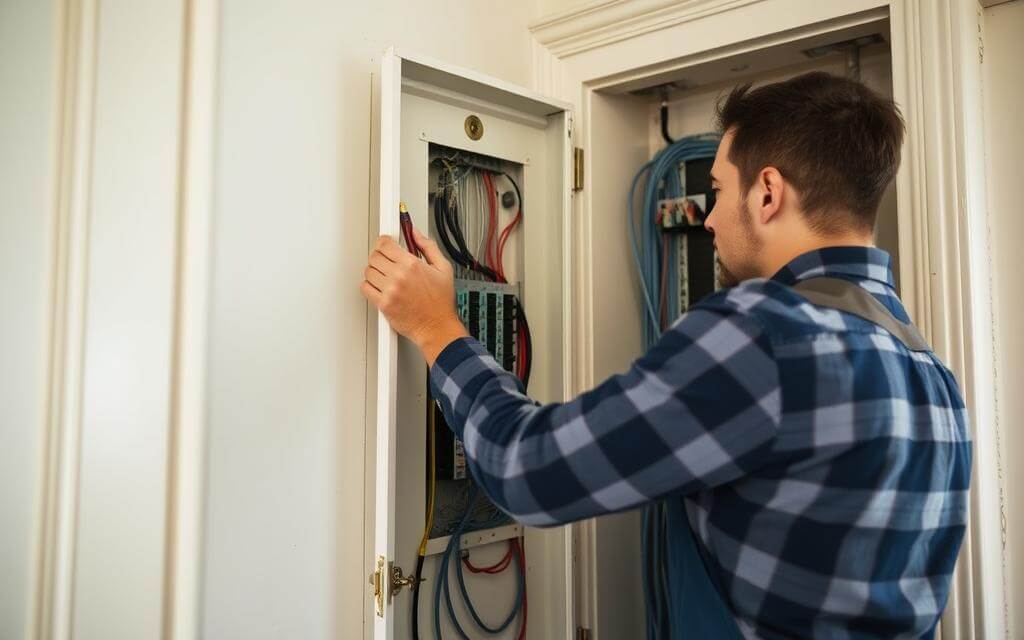
Reasons St. Louis homeowners ask for a safety check
A home inspection report may flag something vague. A seller may say the panel is “fine.” A remodeler may uncover old junctions. Or the house may simply be old enough that nobody knows what has been changed behind the walls.
Buying or selling a home
Get a licensed electrician’s view of panel condition, grounding, GFCI protection, visible wiring concerns, and safety items before negotiations get messy.
Older or remodeled houses
Many St. Louis homes have additions, finished basements, mixed-era work, and circuits that were changed long after the original build.
Repeat electrical symptoms
Tripping breakers, flickering lights, dead outlets, buzzing, warm switches, or scorch marks are signs the system should be checked before parts are swapped blindly.
Permit or project questions
Renovations, service changes, panel work, or an electrical system that has been disconnected may require a closer look before work moves forward.
Insurance or occupancy concerns
If an insurer, buyer, tenant, or property manager asks for information, an inspection can document visible conditions and practical next steps.
Storm or damage follow-up
Water intrusion, lightning, tree damage, or utility trouble can leave hidden issues that do not always show up as a total power loss.
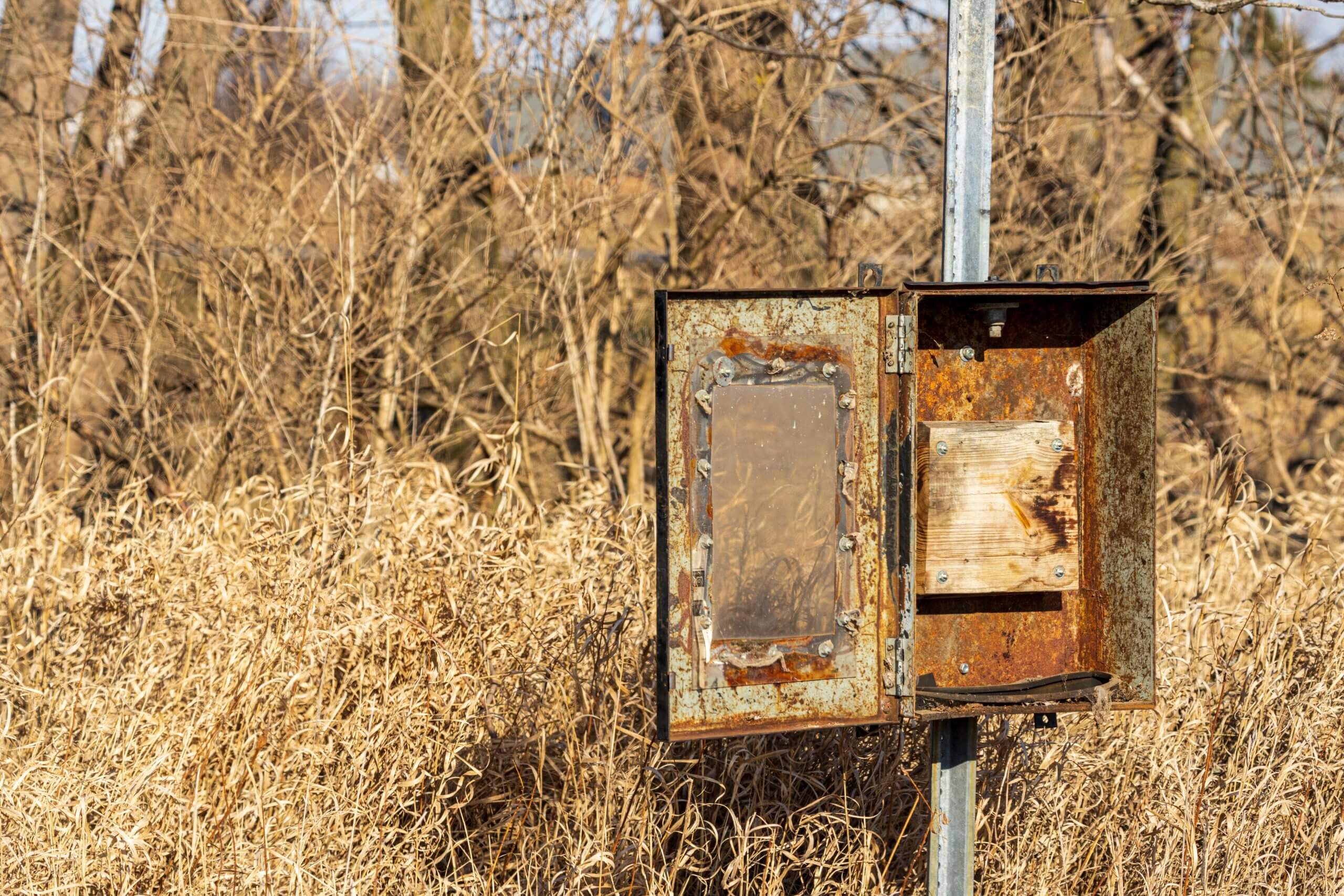
A good inspection is more than staring at the breaker box
Bates Electric checks the visible service equipment, panel condition, breakers, grounding and bonding clues, GFCI and AFCI protection where relevant, outlets, switches, fixtures, exposed wiring, and safety symptoms you have noticed.
The point is not to scare you into a full replacement. The point is to identify what is unsafe, what needs electrical repairs, what may need a permit, and what can be watched or planned later.
Simple rule:
If the home has repeat symptoms, old wiring, recent remodeling, or a questionable panel, get an inspector-level look from a licensed electrician before assuming it is minor.
How Bates approaches a residential safety inspection
Listen to the history
We start with what prompted the inspection request: purchase report, remodel, repeated trips, outage, older wiring concern, insurance question, or visible damage.
Check the visible system
The electrician reviews accessible equipment and devices, looking for unsafe wiring, overloaded circuits, missing protection, panel issues, heat, corrosion, poor workmanship, or code-related concerns.
Explain the priority
You get a clear read on urgent safety items, practical repair options, likely cost factors, permit considerations, and whether panel upgrades or targeted fixes make more sense.
Older homes make inspection work less obvious
St. Louis and St. Louis County have plenty of homes with plaster walls, finished basements, additions, detached garages, knob-and-tube remnants, aluminum wiring concerns, and decades of previous repairs. Two houses can look similar from the street and have very different electrical risk inside.
That is why a useful inspection does not just count outlets. It connects the age of the home, the visible electrical wiring, the panel, the rooms affected, and the work history into a practical plan.
If your project involves permits, remodeling, occupancy questions, or code concerns, it is also smart to check current St. Louis County codes and ordinances or ask Bates what usually applies before work starts.
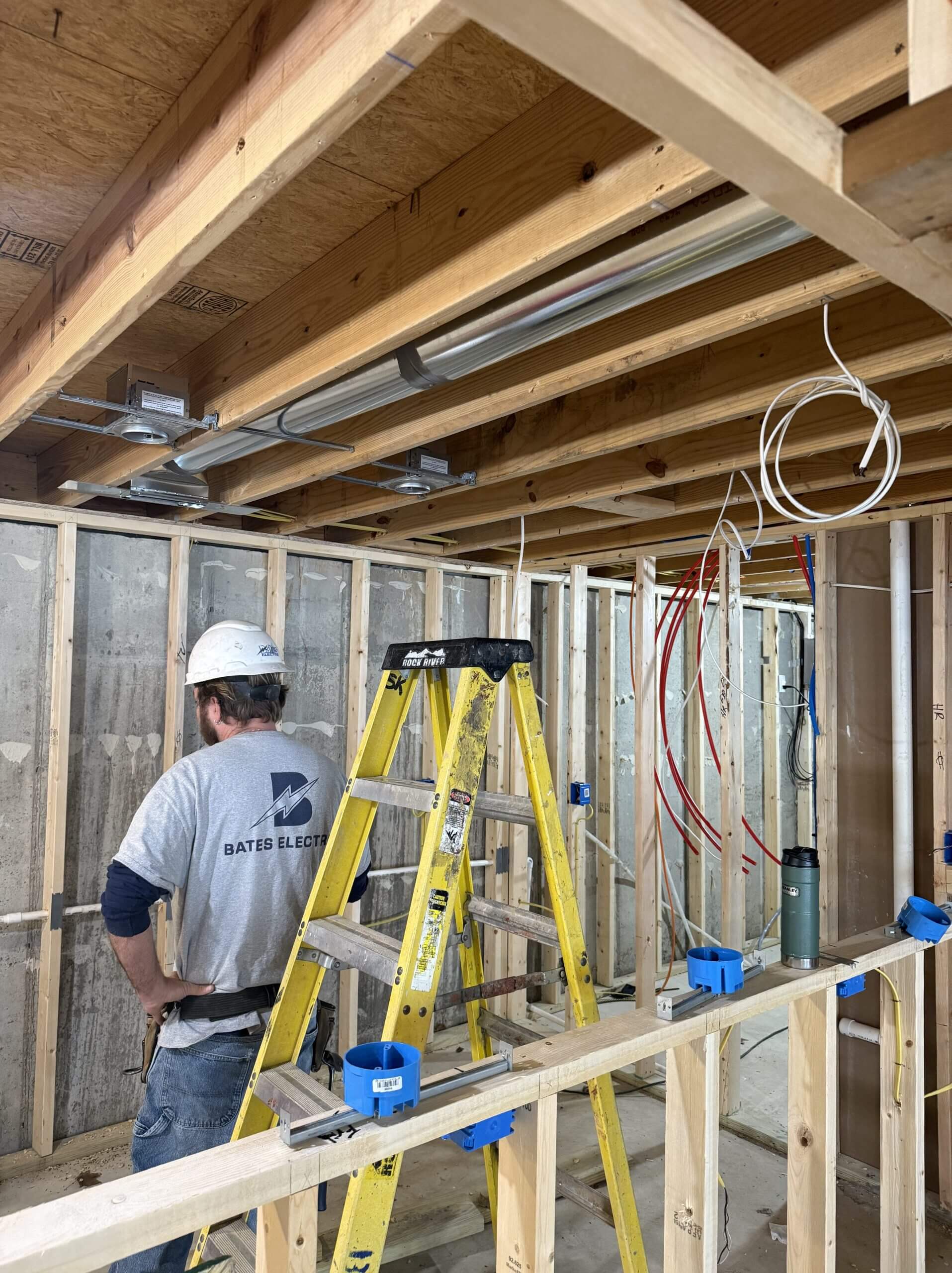
Cost, permits, and “do I need to fix this now?”
Inspection cost depends on scope
A focused concern, like one panel or one circuit, is different from checking an older home before a sale or remodel. Bates can help define the scope before sending someone out.
Not every finding is urgent
Some items are immediate safety concerns. Others are recommendations, maintenance items, or improvements to plan during future work.
Permits matter on real work
An inspection can point out issues, but repairs, service changes, and panel upgrades may trigger electrical permits or local building requirements depending on the job.
The best inspection report is useful, not dramatic: what is unsafe, what is outdated, what is required, what is optional, and what order to handle it in.
That order matters during a real estate deadline or remodel. A buyer may need safety items separated from cosmetic age. A homeowner may need to know whether to repair one circuit now and plan a larger upgrade later. A contractor may need to know if work should pause until a licensed electrician checks the area. Bates keeps that conversation practical so the next step is clear.
A useful inspection turns vague warnings into decisions
Most homeowners do not need a dramatic report full of scary words. They need to know whether the home is safe to occupy, whether a repair is needed before closing, whether a remodel should pause, and whether the issue is a small fix or part of a bigger pattern.
Bates Electric looks for the practical difference between cosmetic age and real risk. A dated panel label, for example, is not the same as overheated equipment. An old two-prong outlet is not the same as damaged wiring. A missing GFCI near water is not the same as a whole-house service problem.
That matters because the right next step might be a simple device replacement, a dedicated circuit, a junction repair, a panel repair, a grounding correction, or a planned upgrade. The inspection should help you spend money in the right order.
Good questions to ask before scheduling
- Is this for a real estate transaction, remodel, insurance question, or active safety concern?
- Are there repeat symptoms like trips, flickers, heat, buzzing, or dead outlets?
- Has the home had additions, basement finishing, storm damage, or previous DIY work?
- Do you need a written repair recommendation, pricing direction, or permit guidance?
Common findings in St. Louis home inspections
Every house is different, but the same themes show up often in older St. Louis neighborhoods and renovated county homes: devices replaced without correcting the wiring behind them, panels crowded by years of added circuits, missing protection near water, old splices, loose connections, and work that may have been acceptable years ago but no longer fits the way the home is used.
Panel and breaker concerns
Rust, heat, buzzing, incorrect breaker types, double-tapped conductors, weak labeling, or a panel that cannot support added loads may need repair or planning.
Grounding and protection gaps
Ungrounded outlets, missing GFCI protection, old bathroom or kitchen circuits, and exterior receptacle issues are common in homes that predate modern electrical demand.
Hidden work from old projects
Finished basements, garage additions, deck lighting, kitchen remodels, and rental conversions can leave clues that a previous job needs a professional second look.
Inspection findings often lead to one of these next steps
Call now if the inspection concern involves heat, smell, or sparks
Some inspection items can wait for planning. These should not. Stop using the affected area if it is safe to do so and call a licensed electrician.
- Burning smell near an outlet, switch, fixture, or panel
- Breaker trips again immediately after reset
- Scorch marks, buzzing, crackling, or sparks
- Warm wall plates, plugs, cords, or breakers
- Partial power loss or flickering across multiple rooms
Questions St. Louis homeowners ask
When should I schedule an electrical inspection?
Schedule one before buying or selling a home, before major remodeling, after storm or water damage, when a home has repeat electrical symptoms, or when older wiring or panel condition is unclear.
Is a home inspector’s electrical note the same as an electrician’s inspection?
No. A home inspector may flag visible concerns, but a licensed electrician can evaluate the electrical system more specifically and explain repair options, safety priority, and permit considerations.
Do electrical inspections include repair work?
The inspection identifies concerns and next steps. If repairs are needed, Bates can explain the scope, likely cost factors, whether electrical permits may apply, and whether a targeted repair or larger upgrade makes sense.
Do older St. Louis homes need special attention?
Often, yes. Older homes may have mixed wiring, older panels, ungrounded outlets, past DIY work, additions, finished basements, or old repairs that deserve a closer look before remodeling or buying.
Can Bates inspect a home after electrical service has been disconnected?
Yes. If an electrical system has been disconnected, damaged, or questioned by a utility, insurer, buyer, or local authority, Bates can inspect visible conditions and help plan the next safe step.
Need an electrical safety inspection in St. Louis?
Call Bates Electric if you need a clearer answer before buying, selling, remodeling, repairing, or living with repeat electrical symptoms. We will tell you what is urgent, what is optional, and what should happen next.
Bates Electric — St. Louis
2006 Sierra Parkway
Arnold, MO 63010
Phone: 636-242-6334
Missouri License: #20190033743