



A whole-home generator is worth considering when an outage would mean more than a dark house. If you need sump pumps, medical equipment, refrigeration, HVAC, security, home office gear, or essential circuits to stay online, the real question is what you want protected — and whether your electrical system is ready for it.
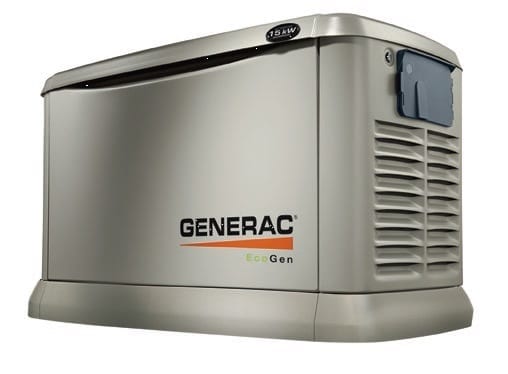
A standby generator makes sense when outage cost beats installation cost
Portable generators can help in a short outage, but they do not automatically power the house, they need fuel, they are noisy, and they can be dangerous if they are connected incorrectly. A standby generator is a different decision: it is permanent equipment tied into a transfer switch so selected circuits, or the whole home, can run automatically when utility power drops.
Worth a serious look
You have critical loads.
Medical equipment, sump pumps, refrigerators, freezers, security systems, remote work, or HVAC needs make backup power less of a luxury.
Maybe worth it
Outages are occasional but painful.
If storms, grid issues, or utility interruptions cause food loss, basement water, hotel stays, or business disruption, a generator may pencil out.
Portable may be enough
You only need temporary basics.
If you can safely run a few essentials for a short outage and do not need automatic backup, a smaller solution may be the better first step.
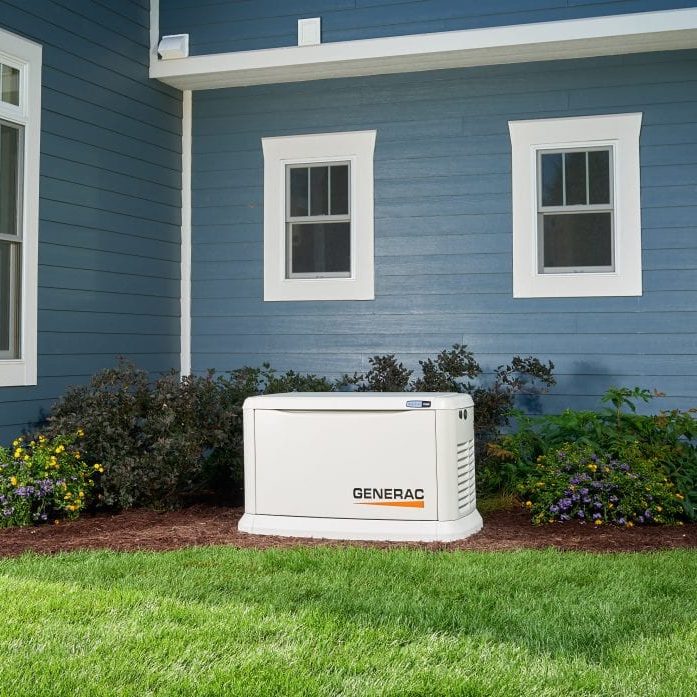
Start with the loads, not the generator brand
The right generator plan starts by deciding what actually needs to stay on. Whole-home backup is convenient, but many homes are better served by essential-circuit backup that prioritizes the equipment that prevents damage, protects people, or keeps the home functional.
- Sump pump, well pump, refrigerator, freezer, and basic lighting
- Medical equipment, oxygen equipment, security systems, and garage access
- Furnace blower, boiler controls, selected HVAC loads, or heat pump support
- Home office, internet, chargers, and critical appliance circuits
- Whole-home comfort loads when the electrical and fuel setup can support them
More generator is not always the smarter buy.
Oversizing can add cost without solving the real problem. Undersizing can leave you choosing between the loads you actually care about.
The transfer switch is not optional
A standby generator must be installed so it cannot backfeed utility lines or energize circuits in an unsafe way. The transfer switch is the equipment that separates utility power from generator power and routes backup power to the right circuits.
No backfeeding
Improper generator hookups can endanger utility workers, damage equipment, and create fire or shock hazards.
Panel compatibility
Your electrical panel, breaker space, service capacity, and grounding all affect what generator setup makes sense.
Fuel planning
Natural gas and propane setups need real load planning, clearances, placement review, and coordination beyond the electrical work.
What changes the cost and complexity
Whole-home vs essentials
Backing up everything costs more than backing up the circuits that protect the home and keep daily life moving.
Panel and service condition
An old, crowded, or undersized panel may need cleanup, repair, or an electrical panel upgrade before generator work is straightforward.
Placement and clearances
Generators need proper distance from openings, safe access, solid mounting, and a location that works for fuel and electrical routing.
Fuel source
Natural gas availability, propane tank sizing, and total load affect whether the generator can run what you expect it to run.
Permits and inspection
Generator work often involves electrical permits, utility rules, and inspection steps that should be handled before the outage hits.
Maintenance expectations
Standby generators need exercise cycles, service, battery checks, and periodic testing so they are ready when the lights go out.
How to make the generator decision without guessing
List critical loads
We help separate “nice to have” from “must stay on” so the project is sized around the actual outage problem.
Review the panel
A generator plan should include the panel, service, grounding, transfer switch location, and any circuit corrections needed first.
Route to the right install path
If the home is ready, the next step is a generator installation estimate. If not, panel or circuit work may come first.
Not sure if you need whole-home backup or just essential circuits?
That is exactly the decision to make before buying equipment. Bates Electric can review your panel, outage priorities, transfer-switch options, and generator readiness before you commit to the wrong setup.
Backup power usually connects to these electrical decisions
Whole-home generator questions
Is a whole-home generator worth it?
It can be worth it if outages threaten sump pumps, medical equipment, food storage, HVAC, security, remote work, or other critical loads. If you only need temporary power for a few basics, a portable generator may be enough.
What is the difference between a portable generator and a standby generator?
A portable generator is temporary equipment that must be fueled and connected safely during an outage. A standby generator is permanently installed with transfer equipment so it can power selected circuits or the whole home automatically.
Do I need a transfer switch for a home generator?
Yes. A transfer switch is the safe way to separate utility power from generator power and prevent dangerous backfeeding. Generator hookups should be handled by a licensed electrician.
Can a generator power my whole house?
Sometimes, but it depends on generator size, fuel supply, panel setup, transfer equipment, and the loads you expect to run. Many homes choose essential-circuit backup instead of powering every load.
Should I upgrade my electrical panel before installing a generator?
Possibly. If the panel is old, full, unsafe, poorly labeled, or not set up well for transfer equipment, panel work may need to happen before or during the generator project.